Charting Authorized Funding Routes to Personalized Reel Perks and Synchronized Table Engagements in Handheld Elite Structures
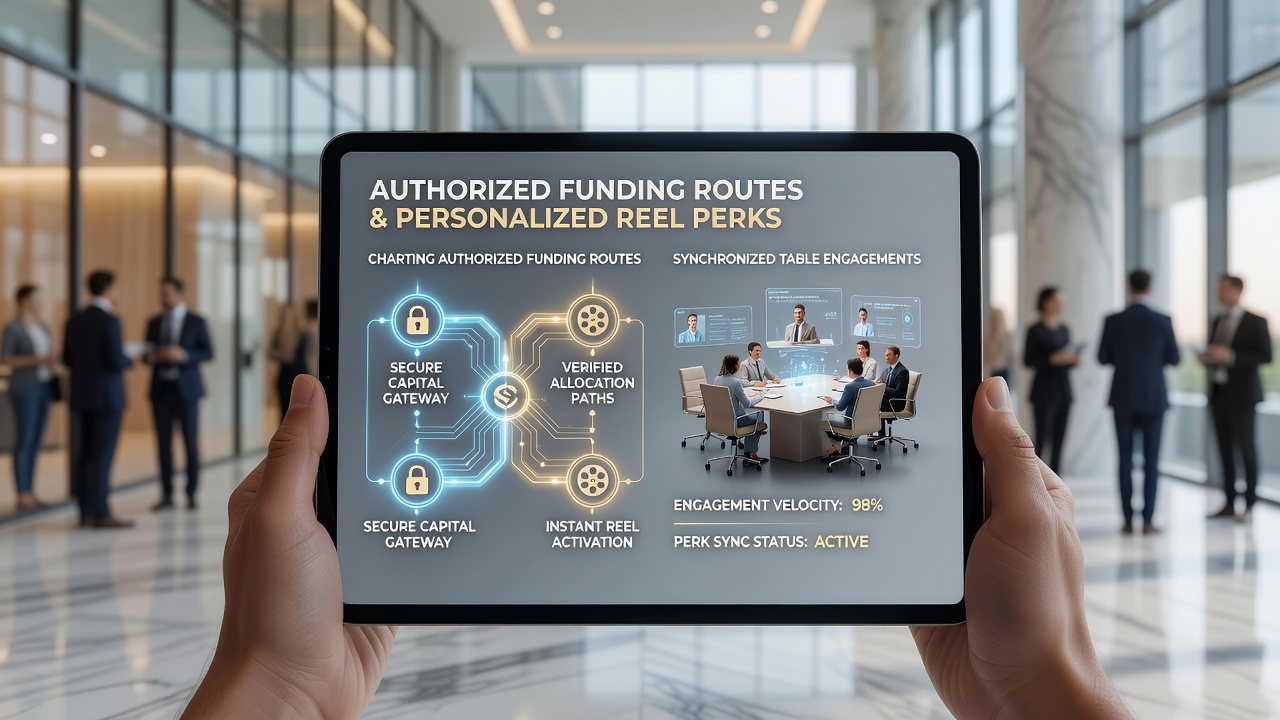
Operators in the mobile gaming sector route verified deposits through secure channels that unlock tiered access to customized reel features and coordinated live table sessions within handheld elite frameworks. These pathways rely on encrypted transfers that connect directly to loyalty scoring systems, allowing users to move from standard play to elevated reward tiers without separate verification steps.
Core Components of Authorized Funding Pathways
Authorized funding begins with certified payment processors that comply with regional standards for financial transactions in digital entertainment. Data from industry reports shows that e-wallet integrations and bank-linked methods form the primary routes, each carrying distinct processing timelines that affect how quickly personalized reel perks activate. For instance, instant verification options trigger immediate bonus allocations on slot mechanics while slower batch processes align with scheduled table engagements.
Those who've examined platform architectures note that these routes incorporate multi-factor authentication layers to maintain compliance across jurisdictions. The same systems feed into centralized databases that track player activity and assign ratings based on deposit frequency and volume. Observers note how this linkage creates synchronized opportunities where reel bonuses and table credits update in parallel once a funding threshold is met.
Integration with Reel Personalization and Table Synchronization
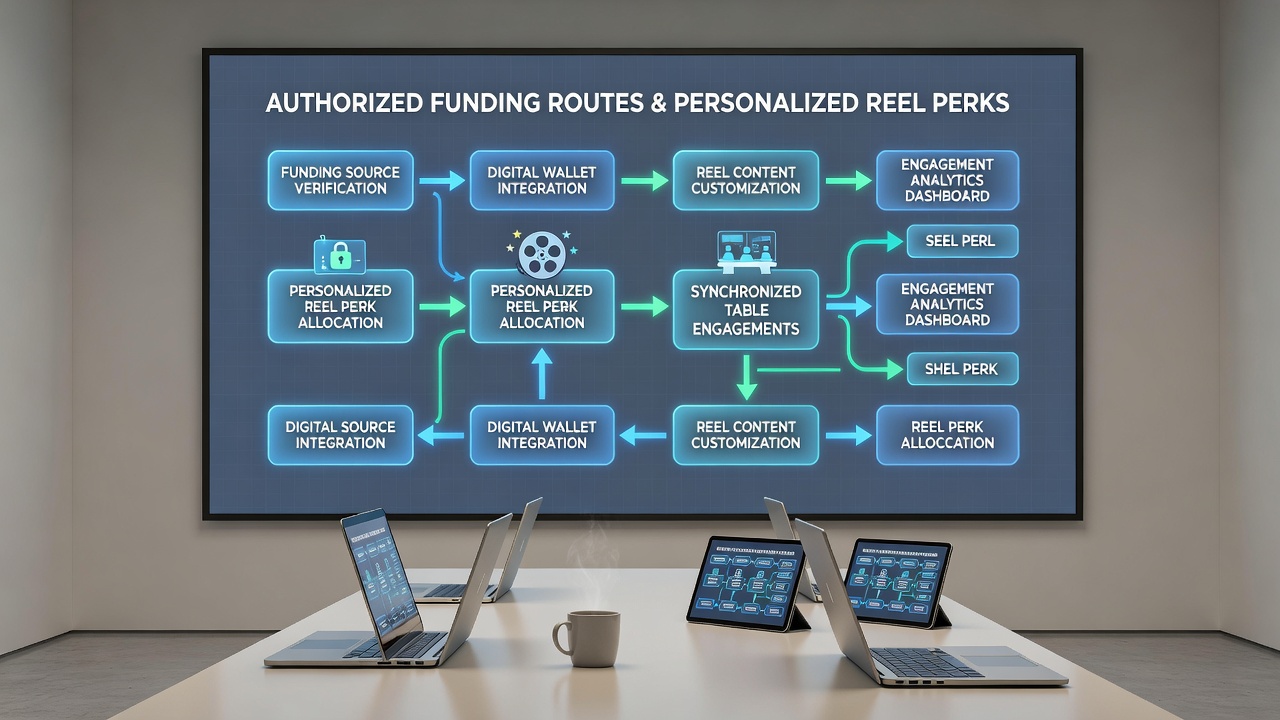
Personalized reel perks emerge when funding routes feed real-time data into algorithmic recommendation engines. These engines adjust free spin allocations and multiplier values according to individual play histories stored in the loyalty framework. Research indicates that such adjustments occur within seconds of a completed transfer, allowing players to access tailored slot configurations on the same mobile session.
Synchronized table engagements operate through parallel data streams that match funded amounts to available dealer tables. Platform records reveal that players who complete authorized deposits receive priority seating prompts that coordinate with reel activity, creating combined sessions where slot outcomes influence table entry criteria. Experts have observed that this coordination relies on API connections between payment gateways and game servers, ensuring that tier status updates propagate across both reel and table modules simultaneously.
Regulatory and Technical Standards in June 2026
By June 2026 regulatory bodies in multiple regions continued to refine requirements for transaction transparency in mobile gaming environments. Canadian provincial gaming authorities published updated guidelines that emphasize audit trails for every deposit leading to reward activation. Similar measures in Australian oversight frameworks require operators to log how funding routes map to specific perk distributions, with particular attention to synchronized table features.
Technical standards from organizations such as the European Gaming and Betting Association further specify encryption protocols that protect these pathways. Figures reveal that platforms adopting these protocols report higher compliance rates during periodic reviews, which in turn supports continued access to advanced mobile VIP structures. Those monitoring industry shifts point to increased adoption of token-based verification methods that streamline the journey from deposit to personalized content.
Case Examples from Operational Platforms
One documented implementation involved a North American operator that linked verified bank transfers to a progressive loyalty ladder. Deposits above a set threshold automatically generated reel-specific multipliers while granting entry to synchronized dealer tables with matching stake limits. Platform analytics from that rollout showed consistent progression through tiers when funding routes remained active over consecutive periods.
Another instance from an Asia-Pacific provider demonstrated how regional e-wallet partnerships accelerated access to handheld elite features. Players using these routes experienced reduced latency between deposit confirmation and the appearance of customized slot options alongside live table invitations. Reports from the operator indicated that such integrations maintained steady user retention across the examined quarter.
Conclusion
Authorized funding routes continue to serve as the foundational link between financial transactions and access to personalized reel perks alongside synchronized table engagements in handheld elite structures. The mechanisms rely on established payment standards, real-time data integration, and ongoing regulatory alignment to function across diverse markets. As platforms refine these connections, the pathways remain central to how mobile gaming environments deliver tiered experiences through secure and verified channels.