Connecting Reliable Transaction Methods with Exclusive Mobile Game Access and Loyalty Advancements in Casino Environments
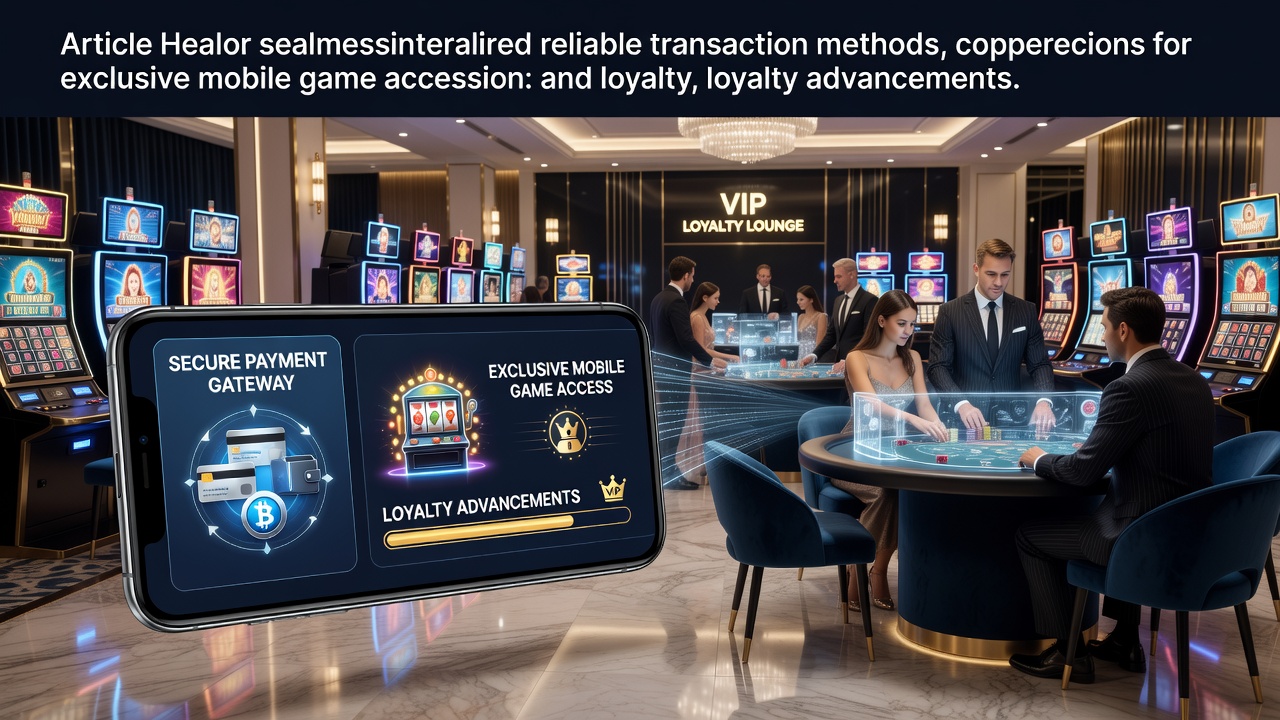
Operators have refined systems that link verified payment channels directly to mobile platforms, allowing users who complete encrypted transfers to unlock specialized game libraries and advance through loyalty tiers without additional hurdles. These connections rely on protocols that authenticate each transaction in real time while routing data to centralized player profiles that track activity across slots, tables, and live dealer sessions.
Payment Infrastructure Supporting Mobile Entry Points
Financial technology providers supply APIs that casinos embed into apps so deposits processed through bank transfers or digital wallets trigger immediate eligibility checks for restricted content. When a transfer clears, the system assigns a temporary access token that grants entry to mobile-only titles featuring progressive jackpots or interactive elements unavailable on desktop versions. Data from industry reports indicate that such automated pathways reduce processing delays from minutes to seconds, which in turn keeps engagement rates stable during peak hours.
Regulatory bodies in multiple jurisdictions require these payment rails to incorporate multi-factor authentication and fraud detection layers before any loyalty points accrue. In June 2026, updates from the Nevada Gaming Control Board highlighted how operators must log every verified deposit against player accounts to maintain compliance while feeding information into tier-progression algorithms. The result appears in dashboards where users see their current status update alongside new game unlocks, creating a seamless loop between spending and privilege escalation.
Exclusive Content Unlocked Through Verified Channels
Game studios design mobile titles that activate only after a qualifying transaction registers in the backend, a practice that ties revenue streams to content distribution. Players who route funds via certified methods receive priority invitations to closed beta releases or limited-time events hosted within VIP suites. Observers note that this model encourages repeated use of the same payment rails because each successful deposit accumulates toward higher loyalty brackets that unlock further exclusives.
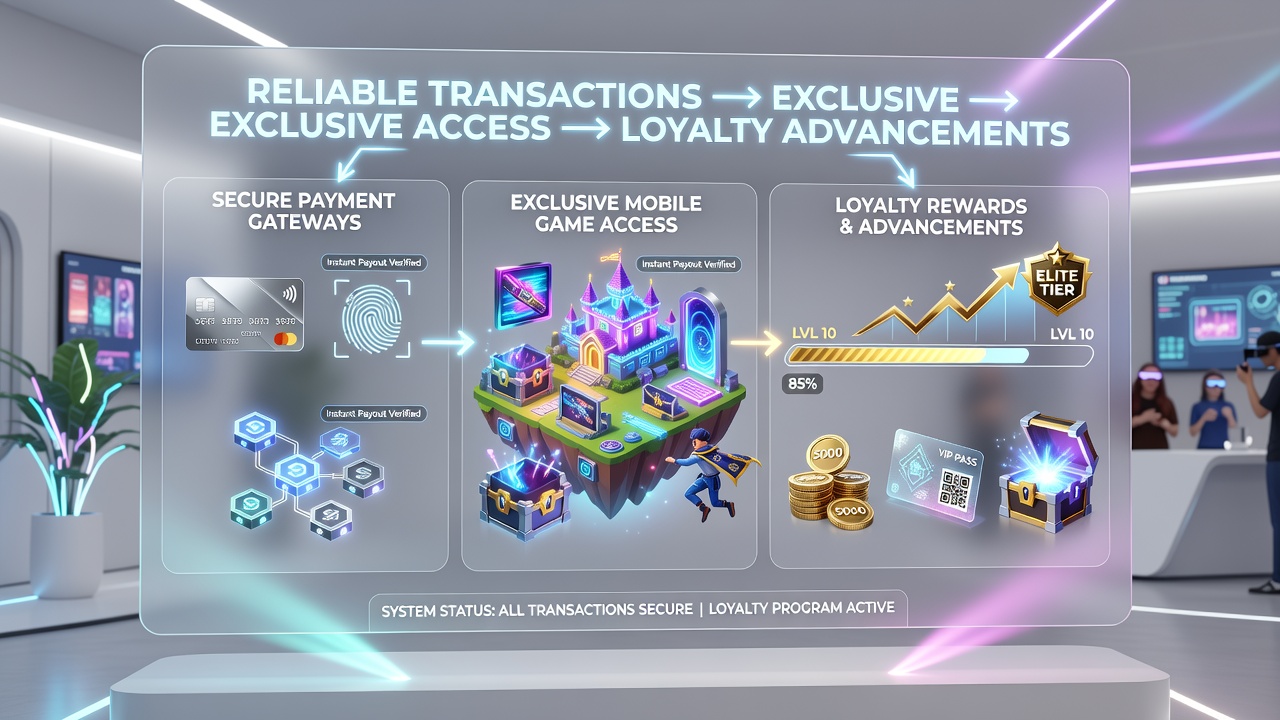
Take one operator who integrated wallet-based verification with its loyalty engine: deposits above a set threshold automatically elevate the account to silver status, which then surfaces additional live dealer tables optimized for smaller screens. Research conducted by the American Gaming Association shows similar patterns across several properties where transaction reliability correlates with longer average session durations on mobile devices. The algorithms behind these systems weigh deposit frequency, amount consistency, and game type participation to assign points that determine future access levels.
Loyalty Frameworks Powered by Transaction Data
Points systems now ingest details from each authenticated transfer to calculate tier advancement rates, replacing older manual review processes. When a player shifts to a new mobile device, the same verified payment history travels with the profile so loyalty benefits remain intact without re-verification steps. According to figures released by the Australian Communications and Media Authority in early 2026, platforms employing this integrated approach recorded measurable increases in cross-device retention compared with those relying on separate authentication for payments and rewards.
Developers embed rules that convert transaction volume into redeemable credits usable only within mobile environments, which further cements the connection between reliable funding methods and continued access. One documented implementation at a regional property mapped deposit patterns to personalized game recommendations that appear exclusively after loyalty milestones are reached. These recommendations draw from aggregated behavioral data yet remain tied to the original payment source to prevent unauthorized sharing of access tokens.
Operational Considerations in Mid-2026
Casino technology teams continue testing encryption standards that protect both financial data and game access logs during high-volume periods. Integration with third-party loyalty platforms allows smaller operators to adopt the same tier structures used by larger groups, provided their payment processors meet baseline security audits. Reports from the European Gaming and Betting Association indicate that standardized APIs have shortened development cycles for these hybrid systems, enabling quicker rollout of mobile-exclusive promotions tied to loyalty progression.
Staff training now includes modules on monitoring transaction-linked access so support teams can resolve issues that affect both payment status and tier benefits simultaneously. This unified approach reduces the number of separate tickets a single player might submit when a deposit fails to register rewards in the expected timeframe.
Conclusion
The architecture linking secure transaction processing to mobile game libraries and loyalty advancement continues to evolve through incremental technical updates rather than wholesale redesigns. Each verified payment reinforces the pathway that determines what content a user may reach and how quickly they climb reward tiers, creating measurable operational efficiencies documented across regulatory filings and association summaries. As mobile usage expands, these connections remain central to how casinos structure access and track player value in real time.