How Evaluation Metrics Assess Game Developer Integrations with Transaction Security for Mobile Reward Escalations
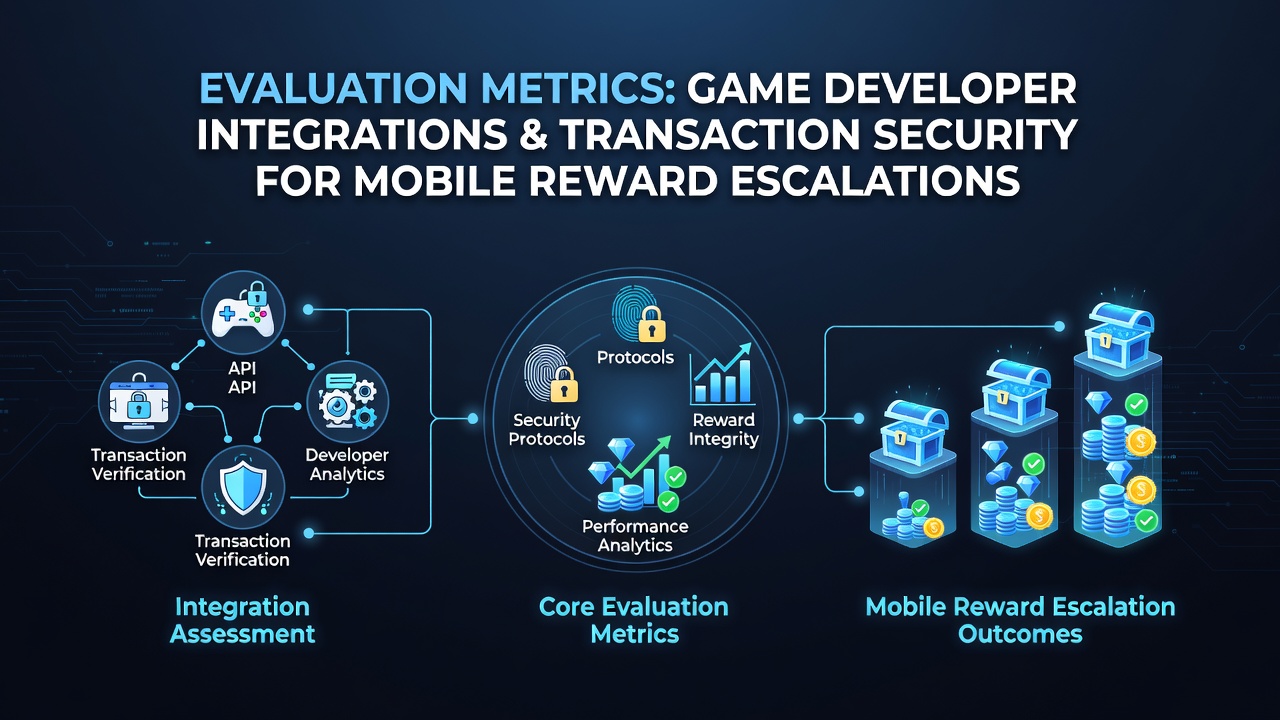
Evaluation metrics provide structured frameworks that measure how game developers connect their platforms to secure transaction systems while supporting escalating reward structures in mobile environments, and these assessments focus on quantifiable indicators such as encryption strength, API response reliability, and compliance with data protection standards.
Core Metrics for Integration Quality
Developers track latency rates during payment processing alongside error frequencies that occur when reward escalations trigger additional verification steps, and data from industry reports shows that systems maintaining under 200 milliseconds average response times achieve higher user retention across multiple device types. Security audits evaluate tokenization methods that replace sensitive card details with unique identifiers, which reduces exposure during mobile transfers, while penetration testing results quantify vulnerability scores before reward tiers activate larger payouts or bonus multipliers.
Researchers at institutions including the National Institute of Standards and Technology have documented how integration scores combine these elements into composite ratings, where each component receives weighted values based on regulatory requirements from different jurisdictions. Observers note that metrics for authentication success rates directly influence whether reward escalations proceed without interruption, and figures from 2025 deployments indicate success thresholds above 99.5 percent correlate with fewer account lockouts during high-volume mobile sessions.
Security Protocols in Mobile Reward Flows
Transaction security assessments examine end-to-end encryption layers that protect data moving between game servers and payment gateways, and these layers must accommodate dynamic reward escalations that adjust bonus values based on player activity patterns recorded in real time. Evaluation frameworks measure how effectively developers implement multi-factor authentication sequences when users attempt to claim escalated rewards, with particular attention to biometric options available on modern smartphones.
Compliance checks reference standards such as those outlined by the Australian Communications and Media Authority, which track adherence to data minimization principles during reward calculations, and these checks generate reports that developers use to refine their integration points. Metrics also capture the frequency of security certificate renewals and the speed at which developers patch identified weaknesses, ensuring reward escalation pathways remain operational without introducing new risk vectors.
Assessment Methods and Reporting Cycles
Third-party evaluators conduct periodic reviews that simulate mobile transactions under varying network conditions, measuring how reward escalations respond when connectivity fluctuates or when multiple verification layers activate simultaneously. Automated monitoring tools log key performance indicators such as transaction approval percentages and anomaly detection rates, feeding these values into dashboards that highlight integration gaps before they affect end users.
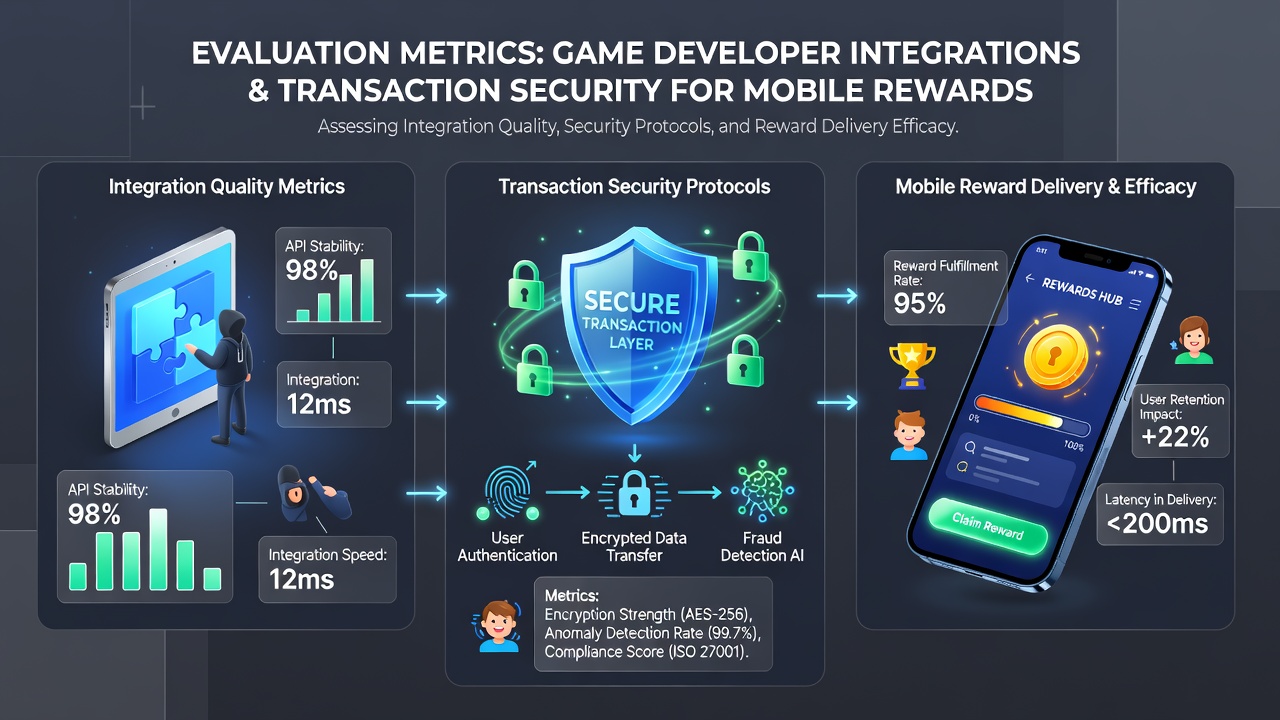
Developers receive detailed scorecards that break down performance across categories including data integrity during transfers and responsiveness of reward adjustment algorithms, and these scorecards inform iterative improvements scheduled for release cycles in mid-2026. In June 2026 several regional gaming authorities plan coordinated reviews that will standardize metric definitions across borders, allowing developers to compare their systems against unified benchmarks.
Linking Metrics to Reward Escalation Outcomes
Reward escalation systems rely on secure transaction histories to determine eligibility for higher tiers, and evaluation metrics quantify the accuracy of these histories by cross-referencing timestamps, amounts, and device identifiers. Systems that maintain complete audit trails achieve stronger scores, which in turn support smoother progression through loyalty levels without triggering additional manual reviews.
Analysts examine correlations between integration quality scores and user engagement data, finding that platforms scoring above established thresholds experience fewer reward claim failures during peak hours. These correlations guide developers in prioritizing security enhancements that directly support escalation mechanics rather than treating security as a separate concern.
Conclusion
Evaluation metrics continue to evolve as mobile reward systems incorporate more sophisticated escalation rules and transaction security requirements tighten across global markets. Developers who align their integrations with measurable standards position themselves to meet both regulatory expectations and operational demands, while ongoing assessments ensure these alignments remain effective as technologies and threat landscapes shift.