How Regulatory Frameworks Guide the Fusion of Reel Incentives with Interactive Table Features Through Verified Mobile Channels and Structured Advancement Systems
Written by Paul Ludwig · Jul 29, 2026
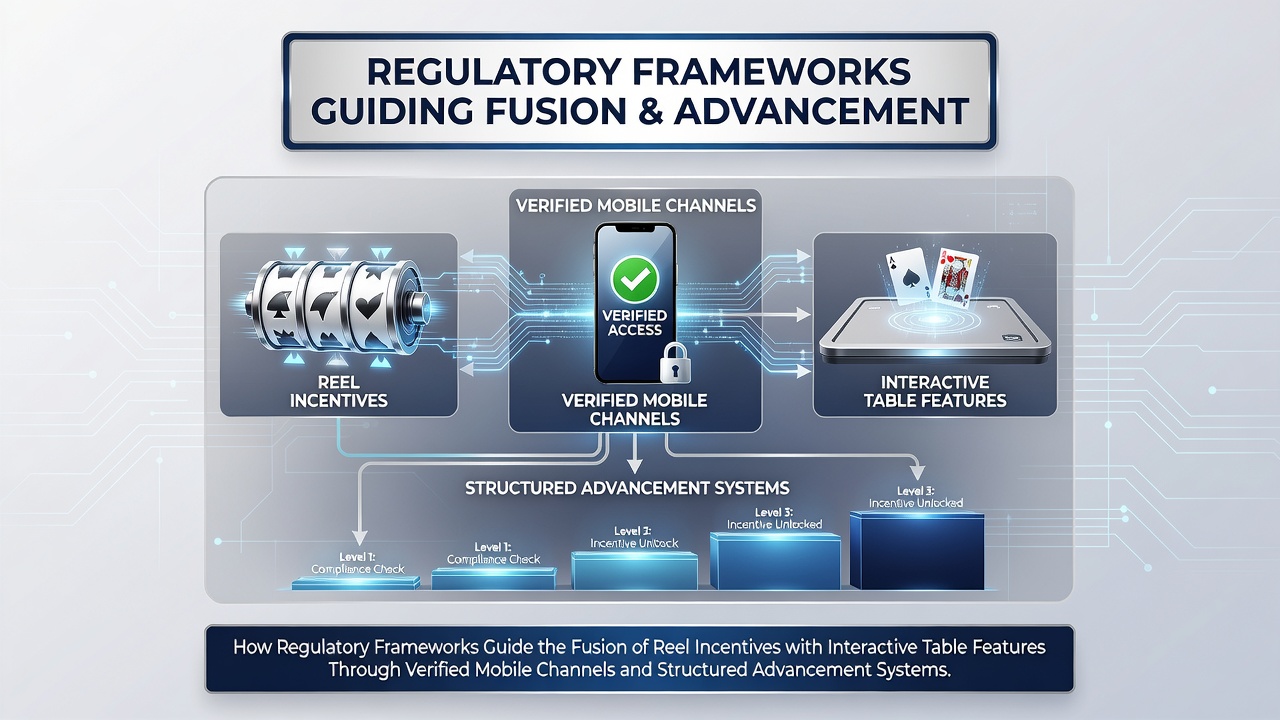
How Regulatory Frameworks Guide the Fusion of Reel Incentives with Interactive Table Features Through Verified Mobile Channels and Structured Advancement Systems
Regulatory frameworks establish clear pathways that connect slot-based incentives to live table game participation through mobile verification systems and tiered progression models, and these structures operate under oversight from multiple jurisdictions as of July 2026. Data from state gaming agencies shows that operators must align bonus mechanics with identity confirmation protocols before any cross-game reward transfers occur, which ensures that reel promotions feed directly into table sessions only after mobile authentication clears.
Core Mechanisms of Regulatory Integration
Verification standards require operators to route all deposit confirmations through encrypted mobile channels before unlocking combined reel and table incentives, and this process follows guidelines issued by bodies such as the New Jersey Division of Gaming Enforcement. Structured advancement systems track player activity across both slot and dealer formats, awarding tier points only when transactions pass compliance checks that link each verified deposit to specific game categories. Observers note that these rules prevent isolated bonus use and instead push incentives toward interactive tables once mobile validation completes the initial reel engagement.
Verification Through Mobile Channels
Mobile verification protocols demand that every player account links to government-issued identification and device-based location data before any incentive fusion activates, and regulators in multiple regions enforce these steps to maintain separation between deposit sources and reward eligibility. Research indicates that operators who implement multi-factor mobile authentication see higher compliance rates when merging slot free spins with live dealer wagers, because each step leaves an auditable trail that satisfies reporting requirements. Those frameworks also cap the speed of advancement through loyalty tiers until full verification cycles finish, which keeps reward structures aligned with jurisdiction-specific spending and play limits.

Structured Advancement and Cross-Game Reward Flows
Tiered loyalty frameworks operate on algorithms that convert reel activity into table game credits only after mobile channels confirm the originating deposit and player status, and these calculations follow formulas reviewed during licensing renewals. Evidence from industry reports reveals that advancement points accumulate faster when operators route incentives through verified pathways that connect slots to live tables, yet teh same systems automatically pause progression if any verification step flags an irregularity. Regulators require documentation of these flows so that bonus values match the risk profiles assigned to each game type, and this documentation must cover both single-session transfers and long-term tier escalations.
One study of North American operators found that structured systems linking reel incentives to table features through mobile verification produced measurable increases in cross-game participation while staying inside permitted bonus ratios. Australian state regulators have published similar expectations that operators must demonstrate how advancement mechanics avoid concentrating rewards in unregulated patterns, and compliance filings now include quarterly data on mobile channel usage for incentive redemptions.
Regional Variations in Oversight
European licensing authorities apply comparable standards that tie reel and table fusions to secure payment gateways and documented loyalty algorithms, whereas North American state commissions emphasize real-time mobile authentication tied to physical location. Data compiled through mid-2026 shows that jurisdictions updating their rules around July introduced stricter reporting on how many verified mobile sessions convert into combined slot and table play. These updates require operators to maintain logs that trace each incentive from initial reel activation through final table redemption, and failure to produce those logs during audits results in temporary suspension of cross-feature rewards.
Operators adapt their platforms by embedding regulatory checkpoints at every stage of the advancement ladder, which allows reel bonuses to unlock table access only after mobile verification and tier qualification both clear. Figures from regulatory filings indicate that this layered approach reduces instances of mismatched bonus allocation while supporting continued growth in mobile-based entertainment suites.
Conclusion
Regulatory frameworks continue to shape how reel incentives integrate with interactive table features by mandating verified mobile channels and structured advancement systems that track every step of the process. Operators who follow these requirements maintain access to combined reward pathways while meeting the documentation and authentication standards set by licensing bodies across different regions. Ongoing updates to these rules reflect measured responses to industry data rather than abrupt changes, and the resulting systems keep incentive flows transparent and auditable through July 2026 and beyond.