Industry Patterns in Safeguarding User Finances While Advancing Status Levels in Smartphone-Based Casino Offerings
Written by Jonas Fischer · Aug 14, 2026
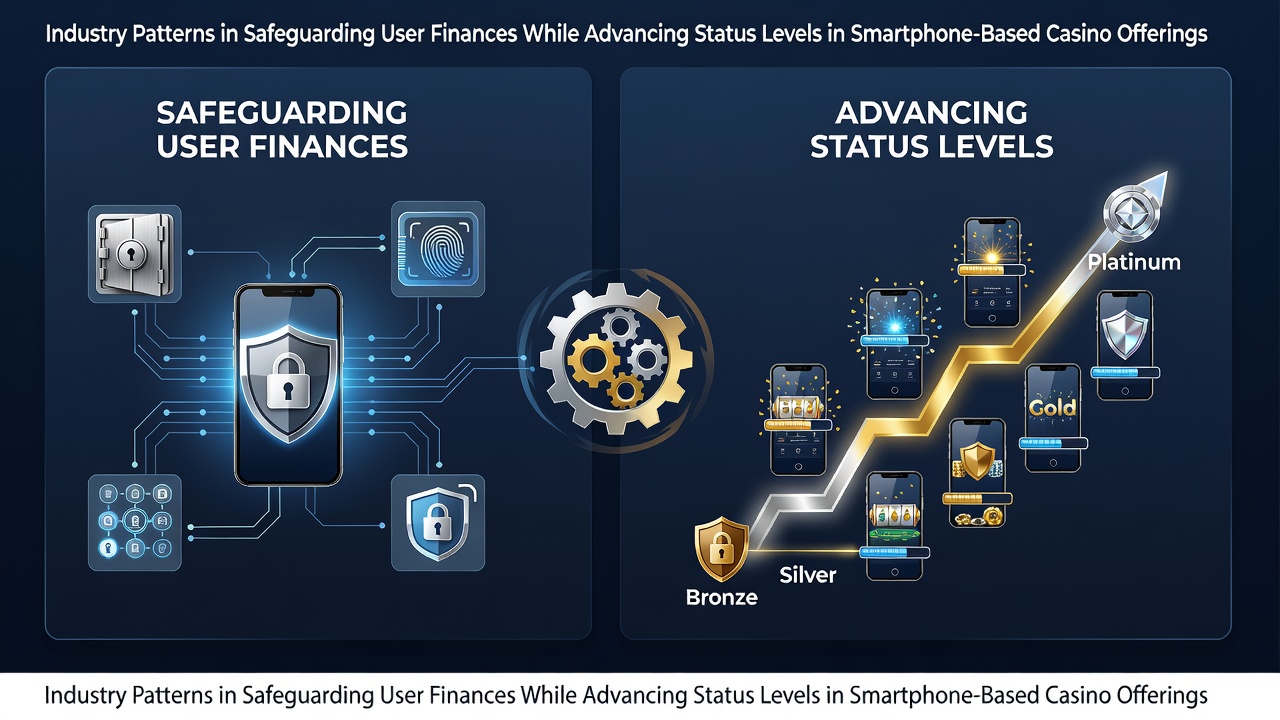
Industry Patterns in Safeguarding User Finances While Advancing Status Levels in Smartphone-Based Casino Offerings
Smartphone-based casino platforms have developed structured patterns that connect financial protection measures directly to user advancement through status levels, creating systems where verified deposits unlock progressive tiers while encryption and verification protocols remain active at every stage. Developers integrate these elements so that players move from entry-level access to higher reward brackets only after completing encrypted transaction checks, which in turn activate customized game selections and bonus structures tied to live dealer options.
Security Integration With Tiered Loyalty Systems
Research indicates that many providers now embed multi-factor authentication within the deposit process itself, linking each successful transfer to an immediate update in the user's loyalty profile. This approach allows status progression to occur seamlessly while maintaining continuous oversight of fund movements, and data from industry reports shows that such combined frameworks reduce unauthorized access attempts by measurable margins across major mobile markets. Observers note how these patterns emerged more prominently after regulatory updates in several jurisdictions during 2025, with August 2026 marking further refinements as new compliance standards took effect in select North American and European regions.
Take one major studio that introduced a system where slot free spins convert into live table credits only after the platform confirms the transaction through tokenized payment rails, thereby advancing the player's tier without exposing account details. Those who've studied these implementations find that the same pathways also trigger automatic risk assessments, pausing advancement if any anomaly appears in spending behavior. What's interesting is how this creates a feedback loop where higher status levels grant access to enhanced security features, such as biometric confirmation for larger wagers, rather than treating protection as a separate layer.
Payment Shielding Mechanisms Across Mobile Offerings
Providers have shifted toward shielded mobile wallets that verify identity at the point of deposit and then map those funds to personalized game libraries based on current loyalty standing. According to figures released by the American Gaming Association, mobile transaction volumes grew steadily through mid-2026, with platforms reporting that tiered access controls now accompany over 70 percent of new user registrations in regulated markets. These controls ensure that advancement through status levels requires repeated confirmation steps, which simultaneously protect balances and direct users toward approved live dealer or reel-based activities.
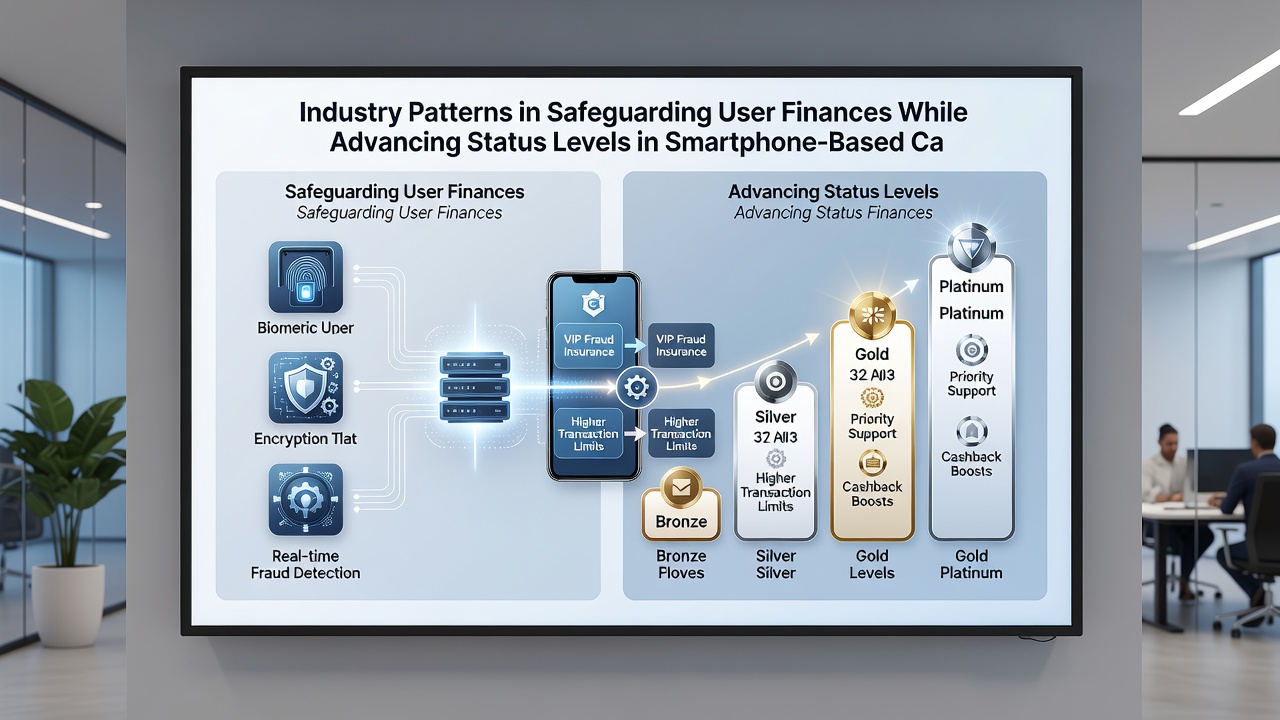
Yet the reality is that not every advancement follows identical routes, since some frameworks prioritize speed for lower tiers while reserving stricter verification for premium brackets. Researchers discovered that this graduated model appears in multiple developer playbooks, where encrypted routes feed directly into loyalty score calculations, allowing status boosts to reflect both wager volume and compliance with security checkpoints. One case involved a provider whose algorithm ties reel bonuses to subsequent live table participation only after the initial deposit clears through a fortified channel, resulting in measurable increases in session duration without corresponding rises in dispute rates.
Regional Variations and Data Trends in 2026
European operators, guided by frameworks from the Malta Gaming Authority, have documented similar patterns where mobile VIP suites require verified payment histories before unlocking higher reward multipliers. Meanwhile Canadian provincial regulators have tracked parallel developments, noting that status level advancement now frequently incorporates spending caps that adjust dynamically based on prior transaction security scores. Data shows these adjustments help maintain balanced play across smartphone interfaces, with August 2026 reports highlighting incremental adoption of cross-border encryption standards that further align financial safeguards with loyalty progression.
Industry organizations such as the European Gaming and Betting Association have compiled evidence that platforms using these integrated approaches see higher retention among users who reach mid-tier status, because the same tools that shield deposits also surface tailored content. People who've examined the underlying code patterns find that free spin chains often serve as entry points that feed into dealer round sequences, with each transition gated by the platform's ongoing verification of user funds and tier eligibility.
Future Trajectories in Mobile Casino Architectures
Additional studies from academic sources, including working papers on digital gambling infrastructure, point to continued refinement of these linkages through 2027. The ball remains in the court of developers to sustain the balance between rapid status advancement and robust financial oversight, since any weakening of one element tends to affect the other. Providers continue testing new configurations that route protected transfers straight into selective access menus, ensuring that loyalty frameworks evolve alongside security protocols rather than in isolation.
Conclusion
Overall patterns reveal that smartphone casino offerings increasingly treat financial safeguards and status level advancement as interconnected components rather than distinct functions. Evidence from regulatory bodies and trade associations demonstrates consistent application across regions, with mobile-specific encryption and tiered verification forming the backbone of these systems. As platforms adapt to evolving standards, the documented approaches provide clear templates for maintaining user fund integrity while supporting progressive reward structures.