Linking Encrypted Funding Options to Selective Access in Portable Loyalty Programs for Reel and Dealer Games
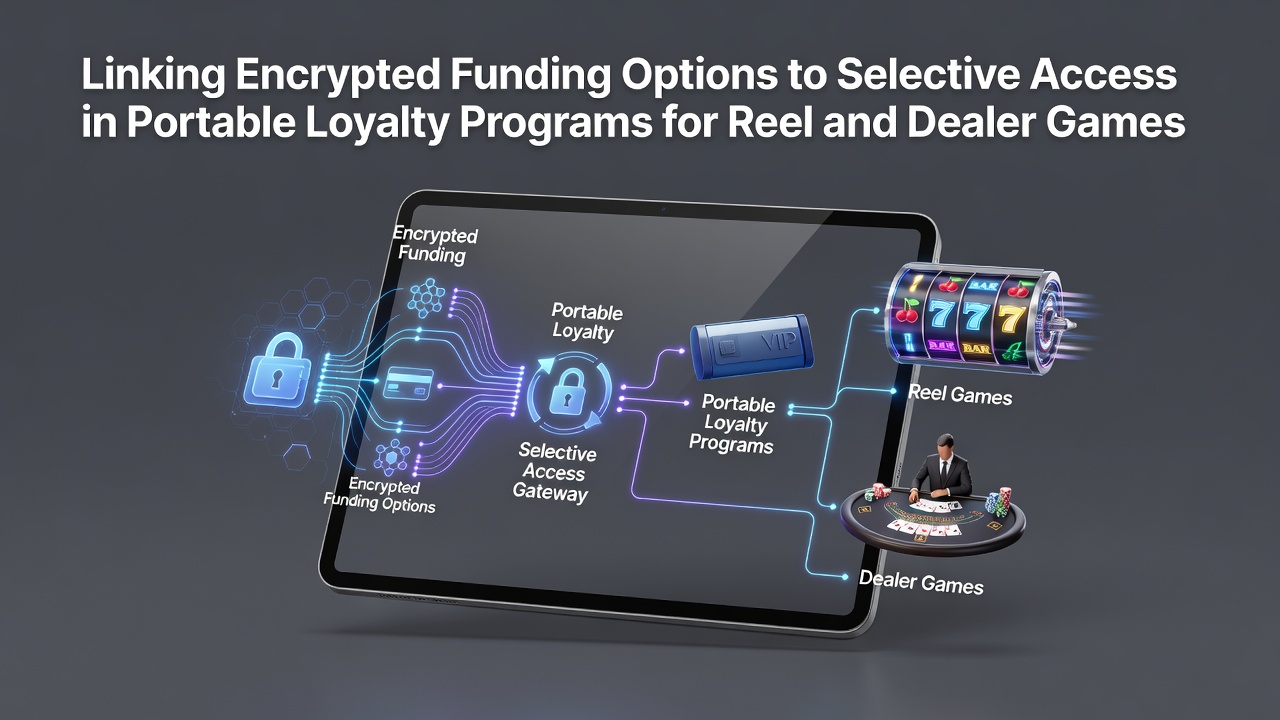
Developers integrate encrypted funding mechanisms directly into mobile loyalty frameworks that control entry to reel-based games and dealer tables, and these connections rely on transaction verification layers that assign users to specific access tiers based on deposit activity. Systems process payments through end-to-end encryption protocols while simultaneously updating loyalty scores that determine which game categories and features become available on portable devices.
Core Mechanics of Encrypted Funding Integration
Payment gateways apply AES-256 encryption and tokenization standards to every deposit before the funds reach the game servers, and this process occurs in milliseconds so that loyalty points accrue without delay. Observers note that once verification completes the platform routes the user into a tiered structure where higher activity levels unlock selective entry to premium reel spins or live dealer sessions on the same mobile application. Data from industry reports shows these linkages reduce unauthorized access attempts because each transaction carries metadata that matches the user's loyalty profile in real time.
Selective Access Through Tiered Loyalty Structures
Loyalty programs divide participants into ascending levels that correspond to cumulative verified deposits, and each level grants graduated permissions to reel mechanics or dealer table variants within portable environments. Researchers have documented cases where users who complete encrypted transfers above certain thresholds receive immediate elevation to mid-tier status that includes faster loading of interactive tables and exclusive bonus rounds on mobile interfaces. The architecture ensures that access decisions happen server-side so portable devices never store sensitive routing information locally.
Technical Pathways Connecting Reels and Dealer Tables
Algorithms synchronize reel bonus triggers with live dealer availability by referencing the same encrypted transaction ledger that feeds loyalty calculations, and this synchronization allows seamless transitions between game types while maintaining tier restrictions. Studies indicate that when a user initiates a deposit the system evaluates both the encryption certificate and the resulting loyalty increment before routing the session to either slot reels or dealer streams. Portable applications therefore display only the game selections that match the current tier, preventing lower-level accounts from reaching restricted dealer tables or high-volatility reel features.

Regulatory Context and July 2026 Developments
Regulatory bodies in multiple jurisdictions track how encrypted funding links influence player access controls, and July 2026 saw updated compliance guidelines from the Nevada Gaming Control Board that require explicit mapping between transaction encryption logs and loyalty tier assignments. These guidelines emphasize audit trails that connect each verified deposit to the precise game categories unlocked for that user on mobile platforms. Similar frameworks have appeared in reports issued by the Malta Gaming Authority, which examined cross-border portable programs and their handling of selective access rules during the same period.
Implementation Examples Across Platforms
One deployment in North American markets routes all mobile deposits through a centralized encryption hub that instantly updates loyalty databases, and this hub then filters game menus so that reel and dealer options reflect the user's verified tier. Another implementation observed in European testing environments uses multi-factor authentication tied to the encrypted payment to confirm tier status before any game session begins. Data indicates that such systems maintain consistent performance across different device types because the core decision logic resides on secure backend servers rather than on the portable client.
Security and Verification Protocols
Encryption standards require fresh session keys for every funding event, and these keys carry embedded loyalty metadata that platforms use to validate tier eligibility before granting access to reel or dealer content. Observers report that verification occurs through independent certificate authorities so that neither the payment processor nor the game operator holds complete user data at any single point. This separation supports compliance requirements while preserving the selective access model that defines portable loyalty programs.
Conclusion
Encrypted funding options continue to serve as the entry point for tiered access within mobile loyalty systems that manage reel and dealer game availability, and the technical connections between transaction security and loyalty scoring remain central to how platforms enforce selective permissions. Regulatory updates through mid-2026 reinforced the need for transparent linkages between these components, while implementation examples demonstrate consistent application across regions and device types. The resulting architecture supports controlled access that aligns funding verification directly with game category permissions on portable devices.