Mapping Pathways from Verified Deposits to Customized Mobile Game Selections in Tiered Loyalty Structures
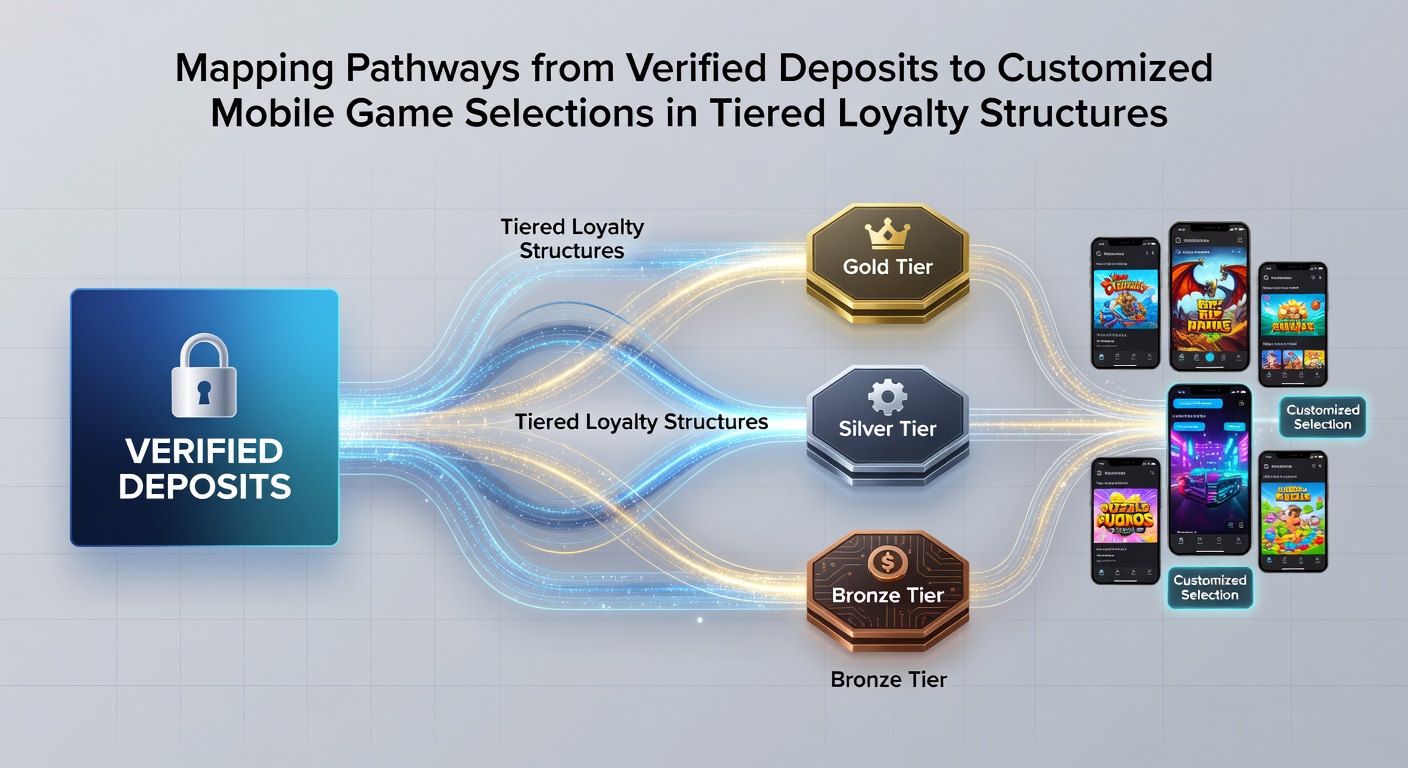
Verified deposits form the initial step in many digital gaming platforms where users complete identity checks before funds appear in accounts, and this process directly connects to loyalty frameworks that adjust game offerings based on accumulated activity. Platforms track deposit amounts alongside play patterns through encrypted systems, then assign users to specific tiers that determine which mobile games receive priority in recommendations.
Deposit Verification as the Entry Point
Users initiate the sequence by submitting payment details that undergo automated validation against banking records and regulatory requirements, while operators confirm compliance with age and location rules before crediting balances. Once cleared, these deposits register in loyalty databases that calculate points according to formulas tied to transaction size and frequency, and analysts at research institutions have documented how such scoring influences subsequent personalization engines. Data from North American operators shows verification times averaging under two minutes for standard methods, whereas international transfers may extend processing windows yet still feed into the same tier calculation models.
Tiered Loyalty Frameworks and Their Mechanics
Loyalty structures divide participants into graduated levels where entry thresholds depend on cumulative deposits and wager volumes recorded over defined periods, and each tier grants access to distinct sets of mobile game categories. Bronze or entry levels typically surface basic slot options, while higher silver and gold tiers incorporate live table variants or exclusive titles selected through algorithmic matching of past user behavior. Canadian provincial systems, for instance, apply similar tier logic across regulated sites, and reports from the Ontario Lottery and Gaming Corporation detail how point multipliers accelerate progression when deposits originate from verified sources.
Points accrual follows transparent rules that reward consistent activity, yet platforms adjust multipliers seasonally to maintain engagement across different player segments. Observers note that tier maintenance requires ongoing deposit and play thresholds, and failure to meet them triggers automatic demotion that alters the game selection interface visible on mobile dashboards.
Pathways Connecting Deposits to Game Customization
Once deposits clear verification, loyalty software maps transaction metadata to user profiles that feed recommendation algorithms, and these algorithms prioritize games matching historical preferences while introducing new titles aligned with tier benefits. Mobile applications display curated carousels where selections shift dynamically, for example elevating progressive jackpot slots for users in mid-tier brackets or highlighting strategy-based table games for those who have accumulated higher point totals. The pathway continues as play data loops back into the system, refining future suggestions without requiring additional manual input from users.
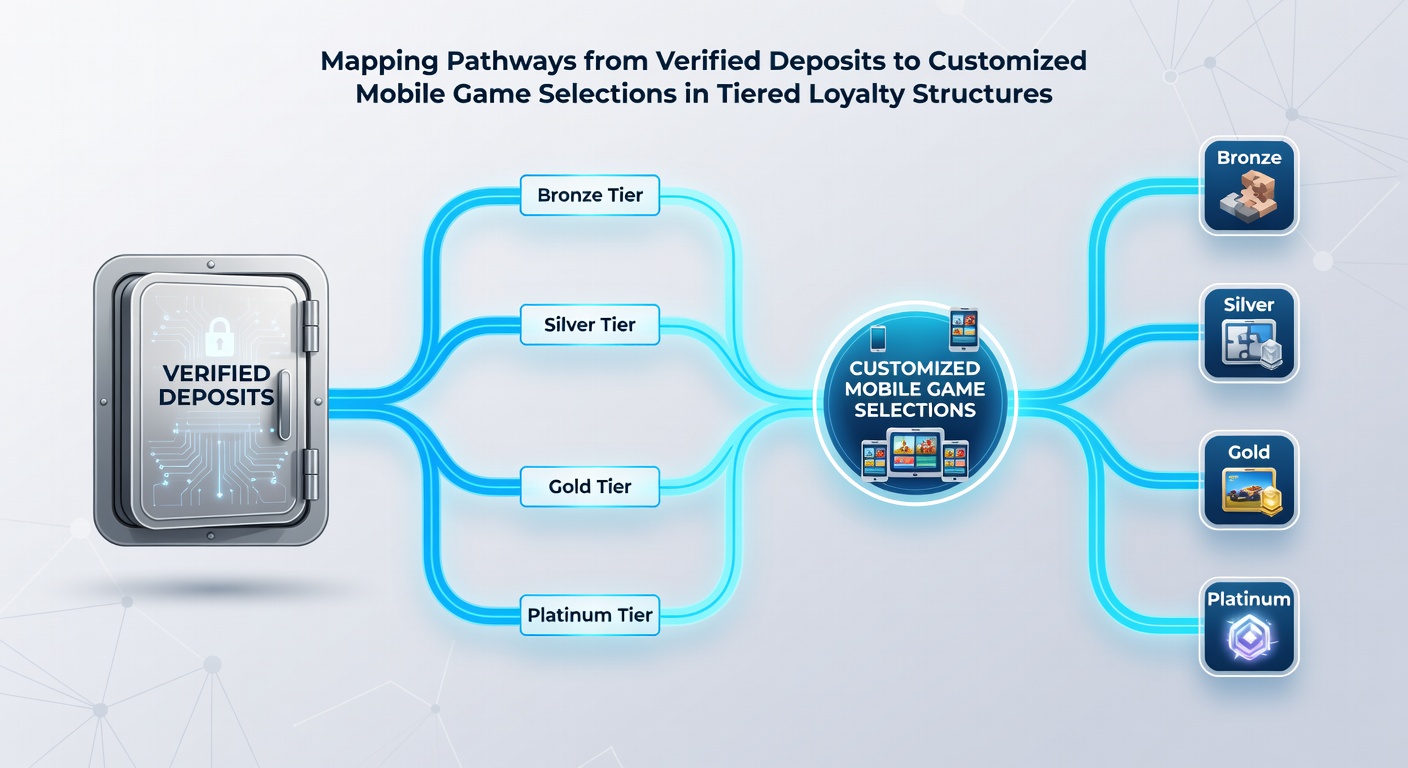
Industry reports indicate that customization accuracy improves when platforms integrate real-time deposit status with behavioral analytics, and European operators following Malta Gaming Authority guidelines have implemented similar mapping protocols that emphasize secure data handling throughout the process. Users in elevated tiers encounter reduced latency in loading personalized content because backend systems pre-load assets based on predicted selections derived from deposit histories.
Role of Mobile Interfaces in Tier Progression
Mobile applications serve as the primary delivery mechanism where tier status appears alongside deposit summaries, and users navigate menus that highlight unlocked game categories tied to their current level. Developers design these interfaces to surface recommendations immediately after successful deposits, creating a seamless transition from financial action to entertainment choice. Studies from academic centers such as the University of Nevada, Reno, have examined how interface design affects retention rates across loyalty tiers, revealing measurable differences in session duration when recommendations align closely with verified activity patterns.
Notifications sent through mobile channels alert participants to tier upgrades that expand game libraries, and these alerts often include direct links to newly available titles. Platforms operating under New Jersey Division of Gaming Enforcement oversight maintain audit trails that connect each deposit event to subsequent game selections, ensuring traceability for compliance reviews scheduled throughout 2026.
Developments Anticipated for May 2026
Regulatory updates planned for May 2026 across multiple jurisdictions aim to standardize data exchange formats between payment processors and loyalty engines, which would streamline the mapping pathways described above. Operators anticipate that these changes will enable faster tier recalculations following verified deposits, and preliminary testing indicates mobile game customization could respond within seconds rather than minutes under the new protocols. Australian research bodies tracking similar frameworks have shared preliminary models that suggest broader adoption of unified standards could reduce discrepancies in how different platforms interpret loyalty points.
Conclusion
The sequence from verified deposits through tier assignment to customized mobile game selections relies on interconnected data systems that prioritize security alongside user experience. Platforms continue refining these pathways as regulatory environments evolve, and participants benefit from increasingly precise recommendations that reflect their deposit and activity records. Observers expect further integration of analytics tools by late 2026 to enhance the precision of loyalty-driven game offerings across mobile platforms.