The Interplay of Secure Verification Systems and Selective Game Unlocks in Progressive Mobile Loyalty Frameworks
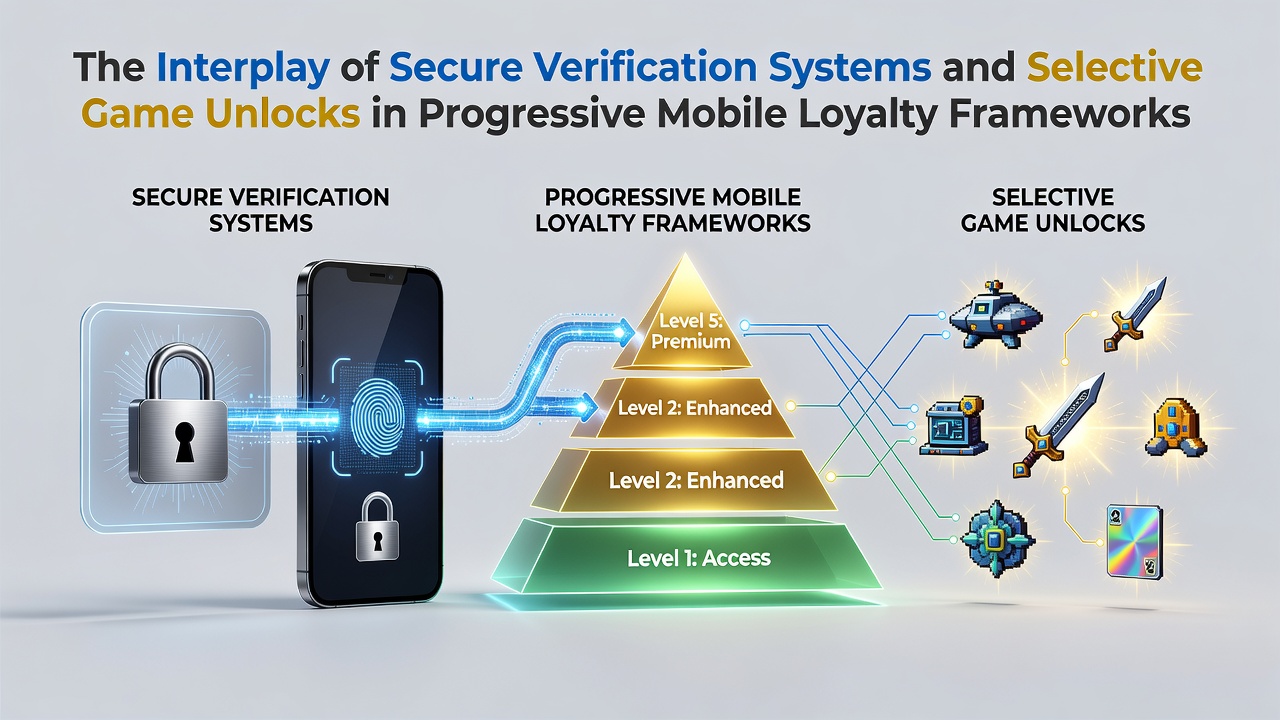
Secure verification systems form the backbone of many mobile loyalty programs, where users advance through tiers by meeting criteria that platforms confirm through encrypted checks, while selective game unlocks grant access only after those verifications succeed, and this combination shapes how progressive frameworks operate across entertainment applications in July 2026.
Platforms integrate biometric scans, device tokens, and multi-factor prompts to confirm user identity before releasing content, and data from regulatory filings show that these steps reduce unauthorized access incidents by measurable margins in tracked markets. Researchers at institutions studying digital access patterns note that verification layers often tie directly to loyalty scoring algorithms, which calculate progress based on verified activity rather than unconfirmed sessions.
Core Components of Verification in Mobile Settings
Verification begins with initial account setup that requires government-issued identifiers in regulated regions, and subsequent logins rely on tokenized sessions refreshed at intervals, while background checks scan for anomalies such as unusual location shifts or device mismatches. Observers note that frameworks in Canada and Australia have adopted standardized protocols that link these checks to loyalty databases, allowing points to accumulate only after each confirmation cycle completes without interruption.
Encryption protocols protect the data flow between device and server, and industry reports from bodies like the Australian Communications and Media Authority highlight adoption rates that reached new levels by mid-2026. Those who've examined implementation logs find that selective unlocks activate once verification scores meet thresholds, which prevents premature access to higher-tier content and maintains the progressive structure intact.
Mechanics of Selective Unlocks Tied to Loyalty Progression
Selective unlocks operate through conditional gates that read loyalty metrics stored in verified profiles, and users advance from basic game modes to advanced features only when accumulated activity aligns with platform rules. Studies from academic sources indicate that this gating mechanism encourages sustained engagement because each verified milestone opens new options without manual intervention from support teams.
Progressive frameworks sequence content releases across weeks or months, and algorithms adjust unlock criteria based on real-time verification feedback, so that a user who completes daily checks gains earlier entry compared to one whose sessions show gaps. Data indicates that such systems appear in entertainment suites where mobile interfaces display progress bars that update immediately after each successful authentication round.

Integration Patterns Observed Across Platforms
Integration occurs when verification outputs feed directly into unlock scripts, and this linkage ensures that only authenticated profiles influence the loyalty engine. Those who've tracked deployment trends across European and Asian markets report that hybrid models combine cloud-based scoring with on-device validation to speed up response times during peak usage hours.
Case examples from development teams reveal that selective access to interactive tables or reel-based experiences often hinges on prior deposit verifications routed through secure channels, yet the pattern extends beyond any single genre to broader mobile reward structures. Research indicates that frameworks updated around July 2026 incorporated additional cross-checks against external databases to further secure the progression path.
Technical and Regulatory Influences on Framework Design
Technical standards from organizations focused on digital security shape how verification and unlock systems communicate, and compliance requirements in multiple jurisdictions mandate audit trails that record every gate passage. Figures from trade associations show rising investment in these areas as user bases expand and loyalty retention metrics gain priority.
Platforms adjust their algorithms when new verification methods emerge, such as behavioral analytics that supplement traditional tokens, and this evolution keeps selective unlocks aligned with current threat models. Experts have observed that frameworks which maintain clear separation between verification modules and content delivery reduce latency while preserving the integrity of progressive tiers.
Conclusion
The interplay between secure verification systems and selective game unlocks continues to define progressive mobile loyalty frameworks as platforms refine their processes in response to regulatory and technical developments. Data from multiple regions shows that verified progression paths support structured access while maintaining user continuity across sessions, and ongoing implementations in July 2026 reflect incremental adjustments rather than wholesale redesigns. Observers note that these elements work together to sustain engagement through controlled advancement, with verification serving as the gatekeeper that enables targeted content releases at each loyalty stage.